
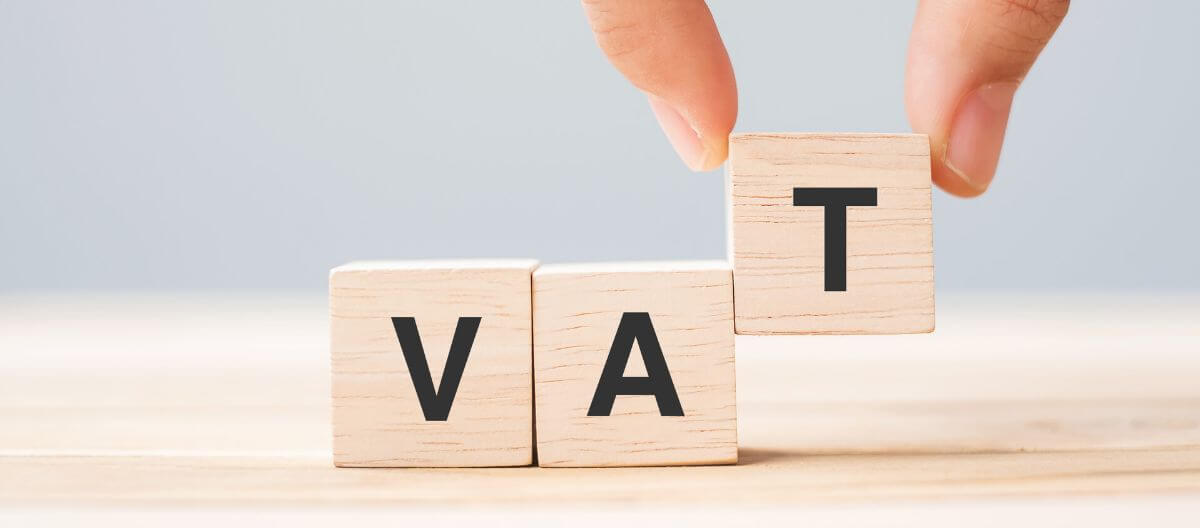
VAT Schemes: Which one is right for your business?
It's important to ensure your business is using the correct VAT scheme, as it directly affects your cash flow, admin workload, and overall tax efficiency. So, whether you're approaching the VAT limit or you're already registered, it's important to fully understand your options so as to help make smarter financial decisions and avoid potentially costly mistakes.
In this blog we'll breakdown each VAT scheme individually, to showcase how they work, give you practical steps to help you choose the best fit, and reveal real-life client experiences.
Key Takeaways
- Choosing the right VAT scheme for your business can improve your cash flow and reduce your admin
- Standard VAT best suits those businesses that have high reclaimable VAT and produce regular invoicing
- Cash Accounting helps businesses that deal with late-paying clients
- Flat Rate Scheme simplifies VAT and can reduce the amount of VAT payable to HMRC, but limits VAT reclaim on business purchases
- Annual Accounting reduces the overall amount of admin, but requires accurate forecasting
Contents
Understanding your VAT Scheme options
The reason for VAT schemes is to help businesses manage their VAT in a way that suits their size, cash flow, and admin capacity. Choosing a scheme that doesn't suit your business' needs can lead to issues such as paying VAT too early, missing out on reclaim opportunities, or even overpaying HMRC.
Below is a breakdown of the four main VAT schemes which are available to small businesses.
Standard VAT Accounting Scheme
VAT within the standard scheme is accounted for when invoices are issued, rather than when they're paid. The standard scheme is best suited for businesses with high input VAT, regular invoicing, and strong bookkeeping.
Pros:
- Full VAT recovery on eligible purchases
- Works well with accrual accounting
Cons:
- If clients pay late, it can create cashflow pressure
CASE STUDY – SG Accounting client
An SG Accounting client frequently purchased high‑value subcontractor services. Under the Flat Rate Scheme they were unable to reclaim input VAT, meaning a large portion of their costs were effectively inflated each month.
As their business expenses grew, the Flat Rate Scheme became increasingly disadvantageous. They switched to the Standard VAT Scheme, allowing them to reclaim VAT on all eligible business purchases, which immediately reduced overheads and improved their overall profitability.
Flat Rate Scheme (FRS)
Under the Flat Rate VAT Scheme (FRS) you pay a fixed percentage of your gross turnover, rather than calculating the VAT due on each individual transaction. It's best for those service-based businesses with low expenses and a turnover under £150,000. You're allowed to remain using the FRS until your company's VAT inclusive turnover exceeds £230,000.
Pros:
- Simplified VAT reporting
- It can provide the potential to save money, especially with the 1% first‑year discount and fixed rate percentages which are lower than the standard rate.
- Following the 1st year discount of 1% on the Flat Rate Scheme, SG will monitor to see if Standard VAT is better, and your Client Director will be in contact to discuss the potential savings to see if you would like to make the switch.
Cons:
- Limited ability to reclaim VAT on purchases. Using the FRS, you can only reclaim the VAT you have been charged on a single purchase of capital expenditure goods, where the total cost is £2,000 or more.
- It isn't cost-effective if you buy lots of equipment or stock
Cash Accounting and Annual Accounting
Cash Accounting Scheme
Under the cash accounting scheme, you only pay VAT once your client has paid you and reclaim VAT once you've paid your suppliers. It's best for businesses with delayed invoice payments or low input VAT.
Pros:
- Better cash flow
- You don't pay VAT on unpaid invoices
Cons:
- It's not available if your company's turnover exceeds £1.35m
CASE STUDY – SG Accounting client
An SG Accounting client invoices large corporate clients, many of which pay 45-60 days late. Before applying 'Cash Accounting' to their VAT scheme, they were paying VAT before receiving payment, meaning they were experiencing quite a significant cash-flow strain. They switched to Cash Accounting, which immediately eased pressure and stabilised their monthly finances.
Annual Accounting Scheme
Using the Annual Accounting Scheme, you'll submit one VAT return per year, with monthly or quarterly advance payments. It's best for businesses wanting predictable cash flow and reduced admin.
Pros:
- Less paperwork
- Easier budgeting
Cons:
- Requires accurate forecasting
- If turnover fluctuates, payments may not match the actual VAT total that's owed, which could result in considerable under or over payments.
- It can't be used if your taxable turnover exceeds £1.35 million.
Summary points
- The Flat Rate Scheme simplifies VAT but limits reclaim opportunities.
- Cash Accounting improves cash flow for late paid invoices.
- Annual Accounting reduces admin but requires stable turnover.
Choosing the right scheme for your business
Selecting the right VAT scheme will depend on your business model, cash flow, and expenses.
Key questions to ask
- Do clients pay you late?
- Do you have high reclaimable VAT?
- Do you want simpler admin?
- Do you regularly purchase equipment or stock?
Your SG Client Director can help you model each scheme to see which offers the best financial outcome.
FAQs
Final Thoughts
Choosing the right VAT scheme can significantly improve your business's financial health. If you're unsure which scheme suits your situation, your SG Accounting Client Director can help you compare options and make the best decision. If you're not yet an SG client and want this level of tailored advice from your accountant, get in touch to find out how we can help you.


Note: All the information and advice in this blog post was correct at the time of writing.

Share This Article, Choose Your Platform!
Related Posts

Have a question? Get in touch.
Our team of contractor accounting specialists is here to help.